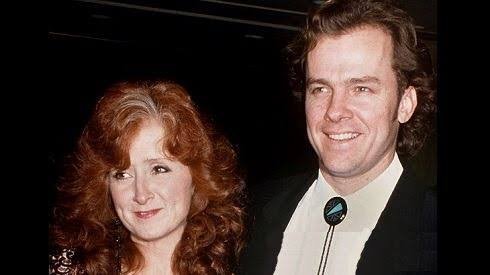
Michael O Keefe and Bonnie Raitt represent an intriguing meeting point between two different branches of American entertainment: acting and music. Their marriage connected an accomplished screen and stage actor with one of the most distinctive voices and guitarists in blues, rock, and roots music. Although their relationship eventually ended, both continued developing careers that extended well beyond their years together. Looking back, their story is less about celebrity romance than about two artists navigating demanding creative lives while building identities that ultimately stood strongly on their own.
Two Artists From Very Different Creative Worlds
Michael O’Keefe emerged as an actor whose career moved comfortably between film, television, and theater. Born in 1955, he became widely recognized for roles including Danny Noonan in Caddyshack and Ben Meechum in The Great Santini, the latter earning him an Academy Award nomination for Best Supporting Actor. His career later expanded across television and stage work, giving him a reputation as a performer capable of moving between mainstream entertainment and more serious dramatic projects.
Bonnie Raitt, meanwhile, built her reputation through music that crossed the boundaries of blues, rock, folk, and American roots traditions. Born in 1949 into a musical family, she developed her own identity as a guitarist, singer, songwriter, and performer. Her breakthrough with Nick of Time transformed her commercial fortunes, while subsequent albums established her as a major figure in American music. The Recording Academy currently lists her with 13 Grammy wins and 31 nominations through the 2026 awards.
| Artist | Profession | Notable Work or Achievement |
|---|---|---|
| Michael O’Keefe | Actor and writer | The Great Santini, Caddyshack, television and theater work |
| Bonnie Raitt | Singer, songwriter and guitarist | Nick of Time, Luck of the Draw, Longing in Their Hearts, multiple Grammy Awards |
How Their Marriage Became Part of Their Public Story
Raitt and O’Keefe married in April 1991, during a particularly significant period in Raitt’s career. Her professional life was accelerating rapidly following the success of Nick of Time, while O’Keefe was already an established actor with extensive film, television, and theater experience. Their marriage therefore brought together two people who understood the pressures of creative work from very different professional perspectives.
Their relationship existed during an era when celebrity marriages were often treated as extensions of public narratives. Yet neither artist’s career depended upon the marriage for its significance. Instead, their individual accomplishments remained the dominant stories. Raitt continued recording and touring, while O’Keefe maintained his acting career. Their eventual separation became public in 1999, with biographical sources variously recording the divorce as 1999 or 2000.
Bonnie Raitt Was Entering a Defining Musical Era
The timing of the marriage is important because the early 1990s represented one of the most influential periods in Raitt’s professional life. Nick of Time had restored her commercial momentum, and Luck of the Draw followed in 1991 with major songs and additional Grammy recognition. Her official biography describes the period as a remarkable expansion of both commercial success and critical acclaim.
Furthermore, Raitt’s success was significant culturally because she occupied a space traditionally dominated by male performers. Her combination of slide guitar, blues phrasing, emotional vocals, and roots-oriented songwriting gave her a musical identity that did not fit neatly into one category. Consequently, her career became an example of how an established artist could achieve mainstream success without abandoning a deeply personal musical foundation.
Michael O’Keefe Built a Career Beyond the Marriage
While public interest frequently connects O’Keefe with Raitt, his own career provides a much broader picture of the actor. His performance in The Great Santini established him as a serious dramatic talent, while Caddyshack introduced him to a much wider popular audience. Later, he worked extensively in television and theater, demonstrating a willingness to move between different forms of performance.
That versatility is important when considering his relationship with Raitt. Both were working artists rather than personalities whose fame came from a single public association. O’Keefe also developed interests in writing and creative work outside conventional acting. IMDb notes that he contributed lyrics to songs associated with Raitt, adding another layer to their artistic connection.
Michael O Keefe and Bonnie Raitt Shared More Than Celebrity Status
Their connection becomes more interesting when viewed through the lens of creativity rather than celebrity. Both artists worked in professions where emotional expression is central, although they expressed it through different mediums. Raitt translated experience into music, while O’Keefe approached character and storytelling through performance and writing.
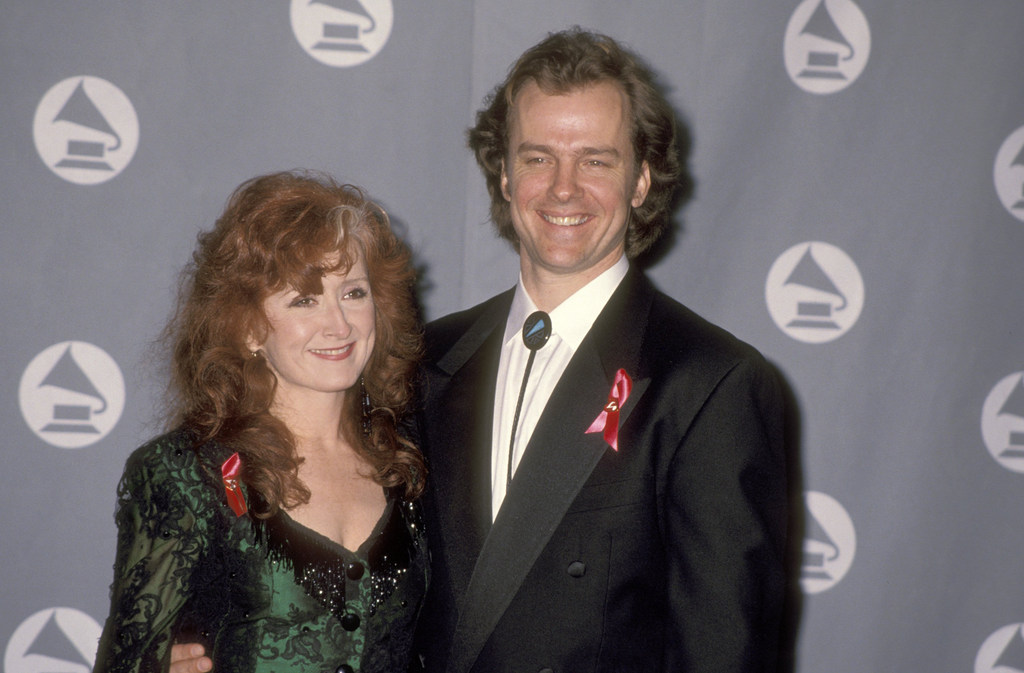
Moreover, their professional paths demonstrate how relationships between artists can contain collaboration without erasing individuality. Raitt’s musical achievements were not dependent upon her marriage, just as O’Keefe’s acting career did not disappear from public view because of their relationship. Instead, their shared period represents one chapter within two much larger creative biographies.
This distinction matters because celebrity culture can sometimes reduce accomplished people to relationship labels. In this case, doing so overlooks decades of work by both individuals.
The Cultural Meaning of Their Separate Successes
Raitt’s career has particular cultural importance because longevity has been one of its defining characteristics. After her breakthrough period, she continued recording, touring, collaborating, and supporting social causes. Her later recognition has reinforced the idea that musical relevance does not necessarily depend on following short-lived trends. The Recording Academy notes her continued Grammy recognition, including major wins for Just Like That in 2023.
O’Keefe’s trajectory offers a different but complementary lesson. His career demonstrates the value of adaptability in acting. Rather than being permanently identified with one early role, he continued appearing in film, television, and theater projects. That ability to evolve is particularly important in an entertainment industry where performers are often expected to remain recognizable in a single form.
Together, their careers illustrate two versions of artistic endurance: one through music that continues to evolve, and another through performance that moves across genres and formats.
Why Their Relationship Still Attracts Interest
There is a natural curiosity surrounding famous couples, especially when both people have accomplished careers. However, the lasting interest in this particular pairing also comes from the contrast between their professional identities. A celebrated blues-rock musician and an acclaimed actor occupy very different cultural spaces, yet their lives briefly intersected at a significant moment in both careers.
Additionally, their story reflects something familiar about relationships between working artists. Touring schedules, filming commitments, public expectations, and individual ambitions can place unusual pressures on personal relationships. Public records do not provide a complete private account of why their marriage ended, so it is more responsible to focus on documented facts rather than speculate about their personal circumstances.
That restraint also allows their individual achievements to receive the attention they deserve.
A Legacy Defined by Individual Achievement
Today, Raitt’s legacy is firmly established within American music. Her official biography describes her as a singer, guitarist, songwriter, and influential figure whose career has lasted for decades. She has also been recognized by the Rock & Roll Hall of Fame and the Grammy Awards, among numerous other honors.
O’Keefe, meanwhile, remains associated with a substantial acting career spanning film, television, and theater. His early dramatic recognition and popular roles gave him visibility, but his continued work demonstrates that his artistic identity extends well beyond any individual production or relationship.
Their shared history therefore works best as a chapter rather than a definition. The marriage connected two accomplished artists, but neither person’s legacy depends upon it.
Conclusion: Two Creative Lives, One Shared Chapter
Michael O Keefe and Bonnie Raitt became connected during a period when both were pursuing demanding creative careers, yet their eventual paths continued in distinct directions. Their marriage remains an interesting part of their biographies, but it represents only one element within much larger stories.
Raitt went on to deepen her reputation as an enduring force in American music, while O’Keefe continued developing his career across acting and other creative pursuits. Ultimately, their story offers a broader reflection on celebrity relationships: two people can share an important chapter while still possessing independent identities, ambitions, and legacies.
That perspective makes their history more meaningful than a simple account of a famous marriage. It becomes a story about artistic individuality, changing circumstances, and the long creative lives that continue after the headlines have moved elsewhere.