Wyll Meaning and Why People Are Searching for It
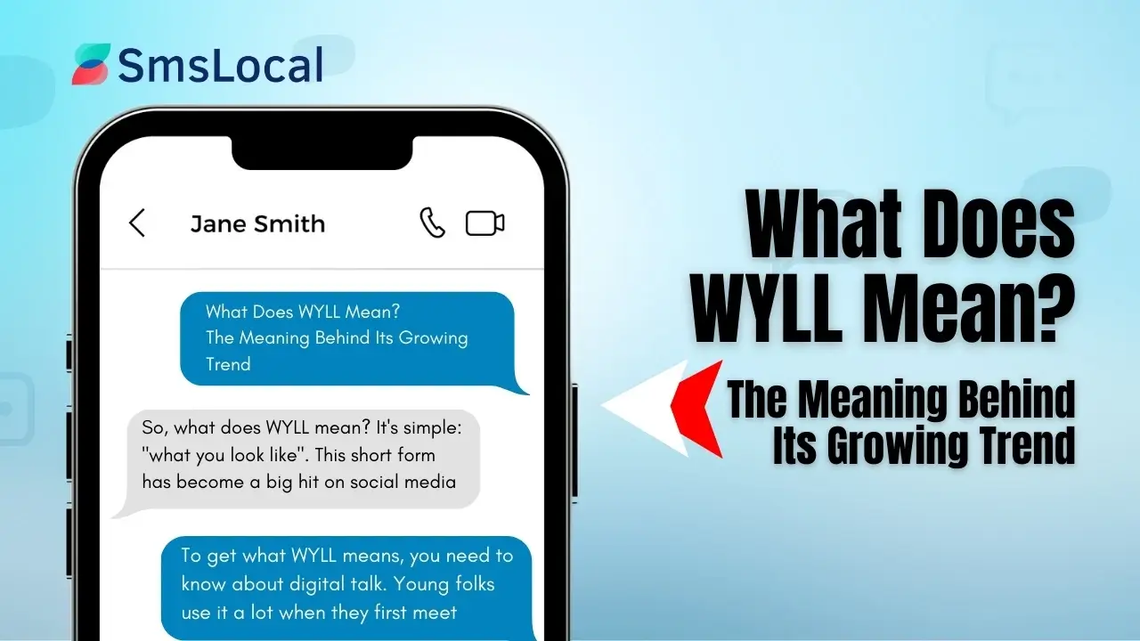
wyll meaning has become a common search among people encountering unfamiliar internet language on social media, messaging apps, gaming communities, and comment sections. In most online conversations, wyll is used as an abbreviation for “what you look like?” It is typically a casual way of asking someone to share or describe their appearance. However, like many forms of digital slang, its meaning can shift slightly depending on the conversation, relationship between speakers, and platform where it appears.
The popularity of wyll reflects a broader change in the way people communicate online. Instead of writing complete sentences, users increasingly rely on shortened expressions that save time while still carrying a recognizable social meaning. Consequently, understanding wyll is not simply about knowing a definition; it is also about understanding the informal culture that produced it.
The Simple Meaning Behind Wyll
At its most straightforward, wyll means “what you look like?” The expression is usually directed toward someone whose appearance the speaker has not seen. For example, after chatting with a person online, someone might write “wyll?” as a quick request for a picture or description.
Unlike formal English, internet slang often removes unnecessary words and punctuation. Therefore, a short expression such as wyll can communicate an entire question with only four letters. Its meaning is generally understood through context rather than grammar, making it particularly effective in fast-moving digital conversations.
How Wyll Became Part of Online Language
The rise of wyll is connected to a larger internet culture built around abbreviations. Social media platforms, private messaging, multiplayer games, and short-form content have encouraged users to communicate quickly. As a result, phrases that once required several words can now be compressed into memorable combinations of letters.
Moreover, younger online communities frequently develop their own vocabulary. Terms spread when users see them repeatedly in posts, comments, direct messages, and videos. Eventually, an expression that initially seems confusing can become recognizable across different communities. Wyll belongs to this broader tradition of digital shorthand, where convenience and shared understanding are often more important than conventional grammar.
When Someone Says Wyll, What Are They Asking?
In most cases, the person asking wyll wants to know what another person looks like. Depending on the circumstances, they may be asking for a photograph, selfie, profile picture, or simple physical description.
However, the intention can vary. Between friends, the question may be completely casual. In a new online conversation, it may represent curiosity or an attempt to make the interaction more personal. Therefore, the surrounding conversation matters. A single abbreviation can sound friendly in one situation but intrusive in another.
| Expression | Common meaning | Typical context |
|---|---|---|
| Wyll? | What do you look like? | Casual online conversation |
| Wyll lol | What do you look like? | Friendly or playful chat |
| Can I see you? | Request to see someone | More direct conversation |
| What do you look like? | Appearance question | Standard English |
Wyll in Social Media Conversations
Social media has played an important role in turning short expressions into recognizable forms of communication. On platforms where users exchange messages quickly, abbreviations can make conversations feel more relaxed and spontaneous. Wyll fits naturally into that environment because it is short, informal, and easy to type.
Furthermore, digital communication often creates a sense of familiarity between people who may never have met offline. Asking wyll can therefore become part of moving from an anonymous interaction toward a more personal one. Someone may first discuss music, games, hobbies, or memes and later ask what the other person looks like.
Why Internet Slang Uses Short Forms
The popularity of expressions like wyll reveals something interesting about modern language. Language has always evolved according to the needs of its speakers. People shorten words in spoken conversation, create nicknames, and develop informal expressions because communication does not always need to follow formal rules.
Online, this process happens especially quickly. Typing speed, character limits, conversational rhythm, and group identity all influence vocabulary. Consequently, abbreviations can become meaningful cultural signals. Knowing them can help people understand whether a conversation is serious, humorous, friendly, or highly informal.
Is Wyll Appropriate in Every Conversation?
Not necessarily. Although wyll is widely understandable in informal online settings, it would usually be inappropriate in formal writing. A professional email, academic essay, business report, or official message should use standard wording instead.
Similarly, asking someone about their appearance can involve personal boundaries. If an unfamiliar person asks wyll, the recipient does not have to provide a photograph or personal information. Digital communication may feel casual, but respectful interaction still requires awareness of privacy and consent.
Wyll Meaning in the Bigger Culture of Digital Slang
The importance of wyll goes beyond its literal definition. It represents how internet communities continually reshape English. New abbreviations emerge, gain popularity, change meaning, and sometimes disappear within a surprisingly short period.
At the same time, these expressions create a sense of belonging. People who understand the vocabulary of a particular online community can communicate more naturally with others inside it. In that sense, slang works almost like a cultural password: it signals familiarity with a particular digital environment.
Understanding the Context Matters
Although the usual wyll meaning is “what you look like?”, readers should avoid assuming that every use has exactly the same intention. Internet language is highly dependent on context. Tone, punctuation, previous messages, emojis, and the relationship between participants can all influence interpretation.
For instance, “wyll?” may be a straightforward question from a new online acquaintance. In another conversation, it could be playful or teasing. Therefore, understanding digital slang requires more than translating letters into words; it requires reading the social situation around them.
Why People Search for Wyll Meaning
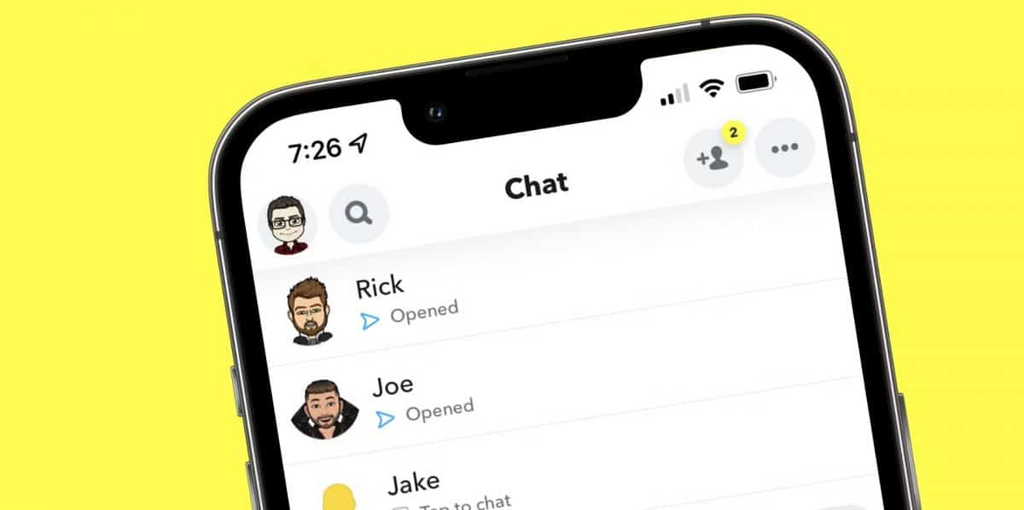
Many people discover slang unexpectedly. A term may appear in a TikTok comment, Instagram message, gaming chat, group conversation, or online forum without explanation. Because abbreviations rarely follow conventional dictionaries, users often turn to search engines to discover what they mean.
The search for wyll meaning is therefore part of a larger pattern in internet culture. As online communities continue creating new expressions, people constantly need informal “translation” between traditional English and digital vocabulary. What looks like a random combination of letters can, in fact, carry a very specific social meaning.
Frequently Asked Questions
What does wyll mean in texting?
Wyll commonly means “what you look like?” in informal online texting. It is generally used when someone wants to know another person’s appearance or asks to see a picture.
Is wyll a proper English word?
No. Wyll is generally considered internet slang or an abbreviation rather than a standard English word. It is mainly associated with casual digital communication.
Can wyll mean something different?
Context can affect internet slang, and individual communities may use expressions differently. Nevertheless, “what you look like?” is the commonly recognized interpretation.
Should I use wyll in professional writing?
It is better to avoid it in professional, academic, or formal communication. Writing the complete question makes the message clearer and more appropriate for formal settings.
Conclusion: What Wyll Reveals About Modern Communication
Understanding wyll meaning offers a small but revealing glimpse into the evolution of digital language. The expression is simple, yet its popularity demonstrates how quickly online communities can transform ordinary language into compact forms of communication. More importantly, it shows that meaning on the internet often depends on context, shared culture, and social expectations.
Ultimately, wyll is more than four letters appearing in a message. It reflects a communication style shaped by speed, informality, and constant interaction. As online language continues to evolve, expressions like this will keep appearing, changing, and sometimes disappearing. Learning their meanings is therefore not merely about keeping up with slang—it is also about understanding how people communicate in an increasingly digital world.