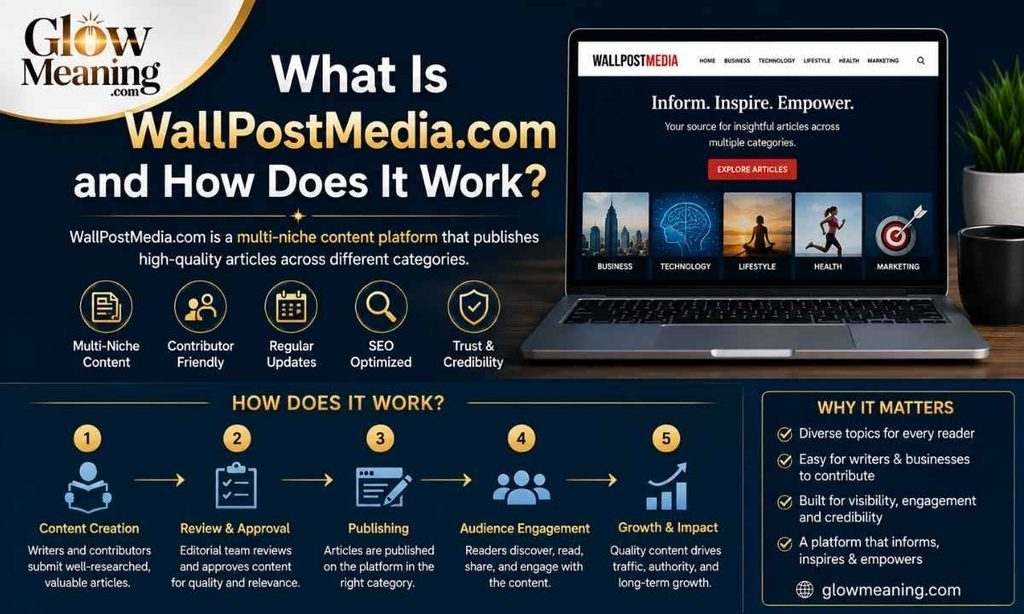
wallpostmedia com represents the kind of web-focused media identity that invites a closer look at how digital publishing has evolved. In an online environment crowded with blogs, niche publications, community platforms, and independent content projects, a name can become more than a web address: it can signal a particular editorial purpose, audience, or approach to information. However, when discussing a relatively unfamiliar digital property, it is important to distinguish clearly between verified information and broader observations about its possible role in online media.
wallpostmedia com and the Changing Shape of Digital Publishing
The internet has transformed publishing from an industry dominated by newspapers, magazines, and broadcasters into an ecosystem where specialized websites can build audiences around particular interests. Consequently, platforms such as wallpostmedia com sit within a much wider movement toward independent and niche digital publishing.
Today, readers often discover information through search engines, social platforms, newsletters, and recommendations rather than through a single traditional publication. Therefore, a digital media website needs to offer more than frequent updates. It needs a recognizable editorial identity, useful information, readable presentation, and content that gives visitors a reason to return.
Why a Distinct Digital Identity Matters
A memorable digital identity can influence how audiences perceive a publication before they read a single article. In that sense, wallpostmedia com is an interesting example of how naming, branding, and editorial positioning intersect in the online environment.
Moreover, successful digital publications tend to develop a consistent relationship with their readers. Whether the subject is culture, technology, lifestyle, entertainment, business, or general-interest commentary, consistency helps establish expectations. Readers begin to understand what kind of material they are likely to encounter, while publishers gain an opportunity to build a recognizable voice.
The Audience Behind an Online Media Platform
Every publication ultimately depends on people. Behind search statistics, page views, and social-media engagement are readers looking for information that is useful, entertaining, timely, or simply interesting.
For wallpostmedia com, understanding audience intent would therefore be central to any meaningful assessment of its editorial potential. A visitor arriving through a search result may want a quick answer, while another reader may prefer a detailed feature that explores the background behind a subject. Balancing those expectations is one of the defining challenges of modern online publishing.
At the same time, audiences have become more selective. Because countless websites compete for attention, readers increasingly notice whether an article feels genuinely useful or merely designed to capture a search query. Consequently, authenticity and editorial judgment can become valuable assets.
From Search Traffic to Reader Trust
Search visibility remains important, but traffic alone does not create a lasting publication. A website can attract visitors through a popular topic, yet retaining those visitors requires credibility and substance.
For that reason, wallpostmedia com can be considered within the broader discussion about trust in digital media. Good online publishing generally benefits from transparent sourcing, careful language, accurate claims, and a clear distinction between reporting, commentary, and promotional material.
Furthermore, readers increasingly expect publications to demonstrate why their content deserves attention. Strong headlines may encourage a click, but useful reporting or thoughtful analysis is what can encourage someone to stay, explore another article, or return later.
What Makes Digital Content Feel Human?
One of the most significant changes in online publishing is the growing importance of human-centered writing. Automated content has made the internet increasingly crowded, and as a result, generic articles can be difficult to distinguish from one another.
A stronger editorial approach gives information a sense of perspective. Instead of simply listing facts, a feature can explain why a subject matters, what changed, how people experience it, and what larger cultural questions it raises.
This is particularly important for a platform such as wallpostmedia com if its goal is to function as a recognizable media destination rather than simply another collection of web pages. Voice, context, and editorial personality can make otherwise ordinary subjects more engaging.
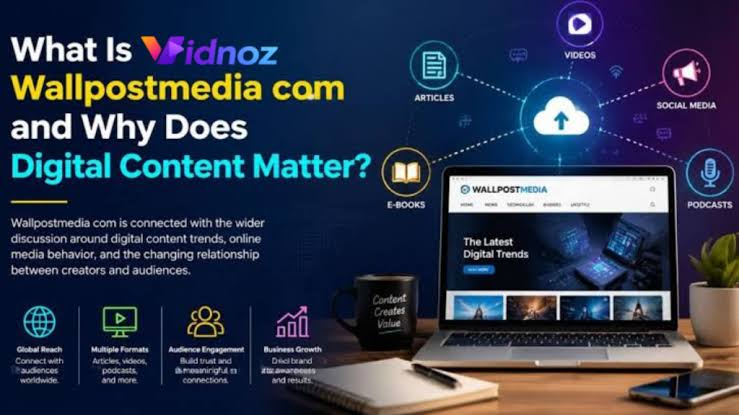
A Broader Cultural Role for Independent Websites
Digital publications also contribute to culture in ways that are easy to overlook. Traditional media outlets often have limited space, whereas independent websites can experiment with specialized subjects and alternative formats.
As a result, the modern web contains an enormous range of communities built around particular interests. Some focus on emerging technologies; others explore entertainment, local experiences, creative work, social trends, or specialist knowledge.
In this broader landscape, wallpostmedia com illustrates an important principle: digital publishing does not necessarily need to imitate traditional newspapers or magazines. Online platforms can develop their own formats, rhythms, and relationships with audiences.
The Importance of Editorial Consistency
Consistency is another factor that separates a developing media website from a random collection of articles. Readers tend to trust publications that maintain recognizable standards over time.
That consistency can involve headline style, article structure, factual checking, visual presentation, publishing frequency, and the kinds of subjects selected for coverage. Therefore, editorial strategy is not simply about producing more content; it is about deciding what deserves to be published and how that material should be presented.
For wallpostmedia com, this broader principle is particularly relevant because a clear editorial direction can help a website establish a stronger identity within an increasingly competitive digital environment.
Digital Media Is More Than a Website
A contemporary publication rarely exists only on its homepage. Articles can circulate through social networks, email newsletters, search results, mobile devices, online communities, and other digital channels.
Consequently, the modern media experience is fragmented but also interconnected. One reader might encounter an article through a search engine, another through a social post, and another through a recommendation from a friend. Each pathway creates a different first impression.
That means wallpostmedia com, like other digital media brands, can be understood as part of an interconnected publishing ecosystem rather than as an isolated website. Its identity can extend across the ways readers discover, consume, and share its content.
The Human Side of Online Publishing
There is also a personal dimension to digital publishing. Behind every website are people making decisions about topics, headlines, images, editorial priorities, and audience needs.
Writers think about how to explain an idea clearly. Editors decide what deserves attention. Designers consider how readers move through a page. Meanwhile, audiences provide feedback through clicks, comments, shares, subscriptions, and simply choosing to return.
This human relationship is ultimately what gives digital publishing its meaning. Technology provides the infrastructure, but people determine whether a platform becomes useful, memorable, or culturally relevant.
Looking at wallpostmedia com Through a Modern Editorial Lens
Rather than judging a digital publication solely by its name or appearance, it is more useful to consider the qualities that define a strong media presence: editorial purpose, audience relevance, originality, credibility, usability, and consistency.
Those qualities matter because the internet has lowered the barriers to publishing while simultaneously raising the expectations of readers. Almost anyone can publish, but earning sustained attention is considerably harder.
Therefore, the potential significance of wallpostmedia com lies not simply in its existence as a web property, but in how effectively it can connect content with an audience. A successful media platform creates that connection through relevance and trust rather than through volume alone.
Conclusion
wallpostmedia com belongs to a broader digital publishing culture in which specialized websites, independent creators, and online media brands continue to reshape how people encounter information. The modern reader no longer depends on a small number of traditional outlets; instead, information arrives through a constantly changing network of platforms and voices.
Ultimately, the future of any digital media presence depends on its ability to remain useful while maintaining a distinctive human voice. In an internet increasingly filled with content, thoughtful editorial choices, credible information, and genuine audience understanding can become the qualities that matter most.