Introduction
Fentomagazine.com USA represents a useful starting point for understanding how digital magazines bring together online culture, practical information, and contemporary interests. As readers increasingly discover articles through search engines and social media, digital publications have become an important part of everyday information consumption. Fento Magazine presents itself as an online publishing platform covering digital conversations and a wider range of general-interest subjects. Its evolving content reflects a broader shift in modern publishing, where accessibility, variety, and reader engagement shape the experience of discovering stories online.
What Is Fentomagazine.com USA?
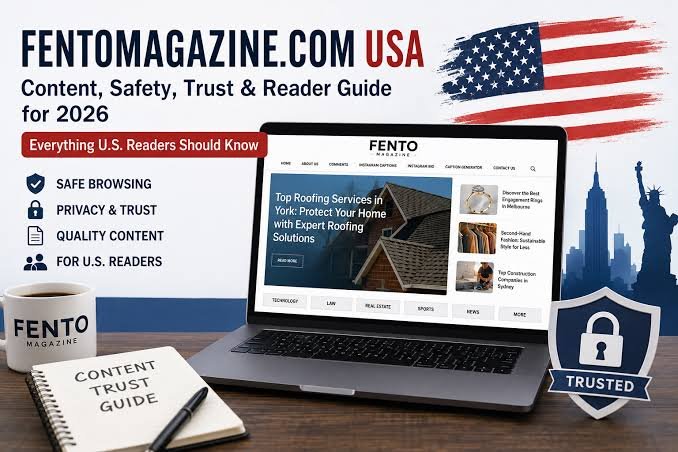
Fentomagazine.com USA generally refers to Fento Magazine and its relevance to readers in the United States. The website combines social-media resources with articles covering various informational topics. Its stated editorial interests include comments, opinions, online discussions, and digital culture. However, the phrase USA should not automatically be interpreted as the name of a separate American edition. The public website provides a central destination for its content, allowing readers to explore articles and resources according to their interests. <Cite refs={[“turn575169search0″,”turn575169search1”]}/>
How Fento Magazine Reflects the Changing Digital Media Landscape
Digital publishing has transformed how people encounter information. Previously, readers often depended on printed magazines, newspapers, and scheduled broadcasts. Today, however, an article can reach an audience through a search query, a shared link, or a social-media recommendation. Fento Magazine operates within this changing environment, where multiple subjects can coexist on one platform. Consequently, its broader publishing approach reflects the demand for convenient access to different kinds of information without requiring readers to visit numerous specialized publications.
The Connection Between Online Conversations and Digital Culture
Online conversations influence how people interpret events, express opinions, and participate in public discussions. A comment, caption, or short response may appear insignificant, yet it can communicate humor, disagreement, encouragement, or personal identity. Fento Magazine’s stated interest in comments and opinions connects with this wider cultural reality. Moreover, studying digital conversations helps readers understand how language changes across online communities. The meaning of a message often depends on its context, audience, and tone rather than the words alone.
Exploring the Website’s Range of Content
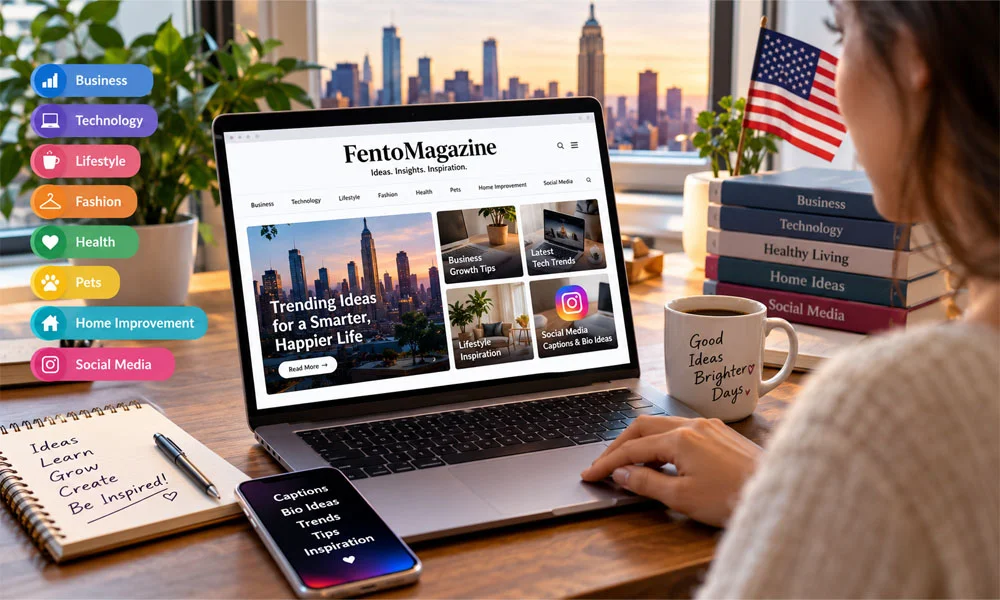
Fento Magazine’s website presents social-media resources alongside broader informational articles. This combination allows the platform to appeal to readers with different interests and browsing habits. Some visitors may be searching for wording ideas for an online post, while others may arrive through an article about business, technology, or everyday life. Nevertheless, a broad content range also creates an editorial responsibility: each topic requires appropriate research, clear explanations, and relevant context. Readers benefit most when articles provide substance rather than merely repeating familiar information.
Why Accessibility Matters to Modern Readers
Accessibility is an important part of successful online publishing. Readers may visit a website during a short break, while researching a question, or when looking for inspiration for a personal project. Therefore, clear headings, readable paragraphs, descriptive titles, and logical navigation can make a meaningful difference. Fentomagazine.com USA is best understood within this wider expectation of convenient digital access. When information is organized effectively, readers can identify relevant sections quickly and decide whether an article addresses their needs.
How Readers Can Evaluate Online Magazine Content
The growing volume of online publishing makes critical reading more important than ever. An attractive headline can encourage someone to open an article, but the quality of the information determines whether the visit is worthwhile. Readers should examine publication dates, identify supporting evidence, and distinguish established facts from opinions. Furthermore, important claims involving health, law, finances, or safety should be checked against appropriate authoritative sources. These habits help readers use digital magazines as useful starting points without assuming that every published statement is automatically accurate.
Originality and Editorial Responsibility in Digital Publishing
Originality involves more than changing a few words in an existing article. Strong editorial work develops a clear angle, explains relevant context, and offers readers a meaningful perspective. Digital publications also need to respect copyright, verify factual claims, and distinguish reporting from commentary. As a result, responsible publishing depends on both creativity and careful research. For platforms covering numerous subjects, consistent editorial standards are especially valuable because readers should be able to expect clarity and integrity regardless of the category they choose.
The Importance of Reader Trust
Trust develops through repeated experiences rather than a single visit. Readers are more likely to return to a publication when its articles answer questions clearly, acknowledge uncertainty, and avoid exaggerated promises. Similarly, transparent contact information and accessible policies can help visitors understand how a website presents itself. In the case of Fentomagazine.com USA, readers should evaluate the actual pages they encounter rather than relying solely on the site’s name or general description. Ultimately, credibility comes from the quality and reliability of the information provided.
Is Fentomagazine.com USA a Separate American Edition?
The website’s publicly visible navigation does not clearly identify a separate USA edition. Instead, Fento Magazine appears to operate through its main website. Although its legal policies reference New York law, that detail alone does not establish a separate American newsroom, a physical headquarters, or a distinct editorial operation. This distinction matters because search terms sometimes create assumptions that go beyond the available evidence. Readers should therefore distinguish between a website’s accessibility to a U.S. audience and a formally established country-specific edition.
What the Future May Hold for Digital Magazines
Digital magazines will continue to adapt as search behavior, social platforms, and reader expectations evolve. Short-form resources may help visitors solve immediate problems, while longer articles can provide context and analysis. At the same time, competition for attention makes originality and credibility increasingly important. Publications that combine accessible writing with careful research may be better positioned to develop lasting reader relationships. Rather than measuring success solely through publication frequency, digital publishers can benefit from focusing on whether their work genuinely informs, explains, or engages an audience.
Conclusion
Fentomagazine.com USA offers a way to explore the broader role of Fento Magazine within contemporary digital publishing. Its combination of social-media resources and general-interest articles reflects how online platforms increasingly bring different subjects together. Nevertheless, readers should approach every publication with curiosity and sound judgment, checking important claims and recognizing the difference between a website’s stated identity and independently established facts. In a media environment shaped by constant updates and competing voices, the most valuable digital reading experiences remain those that encourage understanding, support informed decisions, and treat readers’ trust as a responsibility rather than an assumption.