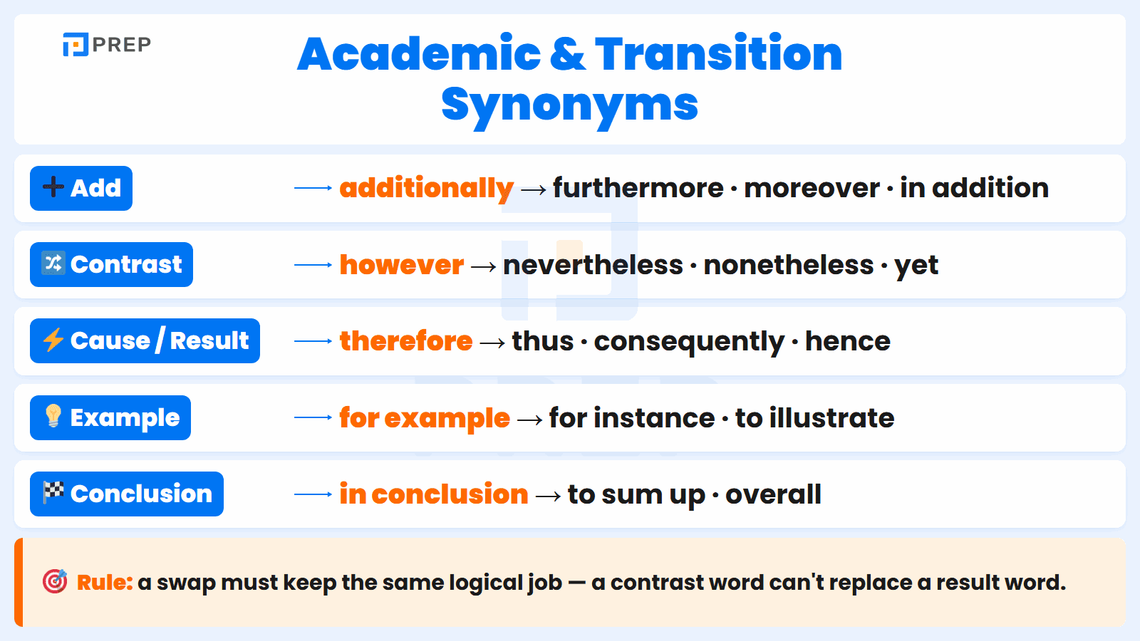
this shows synonym is a useful search phrase for anyone looking for alternatives to the expression “this shows.” Although the original wording is perfectly acceptable, repeated use can make an article, essay, report, or presentation sound predictable. Fortunately, English offers many alternatives, each carrying a slightly different tone and level of certainty. Choosing the right expression is therefore less about replacing words mechanically and more about understanding what the sentence is actually trying to communicate.
Why “This Shows” Can Sometimes Feel Repetitive
The phrase “this shows” is common because it is simple, direct, and easy to understand. Students use it in essays, journalists use similar constructions in analysis, and professionals rely on it when explaining evidence. However, repetition can flatten otherwise thoughtful writing. For example, using the same phrase several times in a paragraph may make separate observations sound identical. Therefore, writers benefit from considering whe
Choosing an Alternative Based on Meaning
Not every synonym carries exactly the same meaning. “This demonstrates” usually suggests that something provides convincing evidence, while “this indicates” can sound slightly more cautious. Similarly, “this reveals” often suggests that previously hidden information has become noticeable. Meanwhile, “this suggests” is useful when the evidence supports an interpretation without proving it completely. As a result, selecting an alternative should depend on the relationship between the evidence and the conclusion rather than simply choosing whichever phrase sounds more sophisticated.
| Expression | Typical meaning | Suitable context |
|---|---|---|
| This demonstrates | Provides clear evidence | Academic and professional writing |
| This indicates | Points toward something | Reports and analysis |
| This suggests | Supports a possible interpretation | Essays and commentary |
| This reveals | Makes something noticeable | Analytical and descriptive writing |
| This illustrates | Makes an idea easier to understand | Explanations and examples |
| This highlights | Draws attention to something | Journalism and feature writing |
Alternatives That Sound Natural in Academic Writing
Academic writing often requires careful distinctions between evidence and interpretation. In that setting, expressions such as “this demonstrates,” “this indicates,” and “this suggests” can provide useful variation. For instance, a researcher might write, “The results indicate a significant change,” rather than repeatedly saying, “The results show a significant change.” However, writers should avoid replacing familiar language merely to appear formal. Clear communication remains more valuable than complicated vocabulary, especially when the underlying argument depends on precision.
When “This Demonstrates” Is More Appropriate
“This demonstrates” works particularly well when evidence provides strong support for a statement. A teacher discussing an experiment might write, “The consistent results demonstrate the effectiveness of the method.” Likewise, an analyst could explain that several years of data demonstrate a long-term trend. Nevertheless, the expression should not automatically be treated as stronger simply because it sounds formal. If the evidence is incomplete or open to interpretation, “indicates” or “suggests” may communicate the writer’s level of certainty more accurately.
Using “This Indicates” for Careful Analysis
“This indicates” is especially useful when evidence points toward a conclusion without completely establishing it. For example, a report might state, “The increase in participation indicates growing interest among younger audiences.” Here, the evidence supports an interpretation, but it does not necessarily prove every aspect of that conclusion. Consequently, this wording is valuable for analytical writing because it creates room for uncertainty. It allows writers to acknowledge evidence while avoiding an unnecessarily absolute statement, which can make arguments sound more balanced and credible.
“This Suggests” and the Language of Possibility
Sometimes evidence does not provide a definitive answer. Instead, it creates a reasonable possibility. In these situations, “this suggests” can be particularly effective. Consider the sentence, “The changing responses suggest that public attitudes may be evolving.” The wording leaves room for additional research or alternative explanations. Therefore, it is often preferable in essays, reviews, research discussions, and commentary where conclusions are interpretive. Good writing does not always need to sound certain; sometimes acknowledging uncertainty makes an argument more intellectually responsible.
When “This Reveals” Adds a Different Perspective
“This reveals” has a slightly more expressive quality because it implies that something becomes visible or understandable through evidence. A cultural writer might say, “The character’s reaction reveals a deeper conflict within the family.” Similarly, a historical analysis could explain that a personal letter reveals attitudes that official records fail to capture. Unlike more neutral alternatives, this expression can create a stronger sense of discovery. For that reason, it works especially well in feature writing, literary analysis, cultural criticism, and narratives built around interpretation.
“This Illustrates” for Examples and Explanation
Another useful alternative is “this illustrates.” Rather than simply claiming that evidence proves something, the expression emphasizes how an example helps explain an idea. For instance, “The company’s response illustrates how quickly consumer expectations can change.” This wording is particularly natural when discussing examples, case studies, stories, or situations that make a broader concept easier to understand. Moreover, it helps writers connect specific details to larger themes, creating smoother transitions between evidence and interpretation without making every sentence sound like a formal declaration.
How Context Changes the Best Word Choice
The best alternative depends heavily on context. A scientific report may favor “indicates,” while an essay could naturally use “suggests.” A magazine feature might choose “reveals” or “highlights,” particularly when discussing people, culture, or social change. Meanwhile, instructional writing may prefer “illustrates” because the goal is clarity rather than argument. Therefore, there is no single perfect replacement. Strong writers first identify their intended meaning and then select language that accurately communicates the strength, purpose, and emotional character of their observation.
Avoiding Synonym Overuse
Ironically, searching for alternatives can create another problem: unnecessary variation. Writers sometimes replace every repeated expression with a different phrase, believing that variety automatically improves style. Yet excessive variation can make prose feel artificial. If “this shows” is the clearest expression in a particular sentence, there is no reason to remove it. Instead, variation should occur naturally when the meaning changes. Consequently, the goal is not to eliminate familiar language but to create a rhythm in which repeated ideas receive appropriately precise wording.
Examples of Stronger Sentence Construction
Consider a basic sentence such as, “This shows that the project was successful.” Depending on the evidence, several alternatives are possible. “This demonstrates the project’s success” sounds confident, while “This indicates that the project achieved its intended goals” is more analytical. “This suggests that the project was effective” introduces greater caution. Finally, “This highlights the project’s positive impact” shifts attention toward significance rather than proof. These examples demonstrate why context matters: changing the expression can subtly change the argument itself.
Frequently Asked Questions
What is a good synonym for “this shows”?
Useful alternatives include “this demonstrates,” “this indicates,” “this suggests,” “this reveals,” “this illustrates,” and “this highlights.” The appropriate choice depends on what the evidence actually communicates.
Is “this demonstrates” more formal than “this shows”?
Generally, yes. “This demonstrates” often sounds more formal and is common in academic or professional writing. However, “this shows” remains perfectly acceptable when simplicity and directness are preferred.
Which phrase is best for academic essays?
“This indicates,” “this demonstrates,” and “this suggests” are particularly useful in academic writing because they allow writers to express different levels of certainty. The strongest option depends on the evidence.
Can “this reveals” be used in formal writing?
Yes. “This reveals” works well in analytical, literary, historical, and cultural writing when evidence brings an underlying idea, pattern, or characteristic into clearer view.
The Value of Precision in Everyday Writing
Ultimately, searching for a this shows synonym is not simply an exercise in finding more impressive vocabulary. It is an opportunity to think carefully about meaning. Words such as demonstrates, indicates, suggests, reveals, illustrates, and highlights each create a slightly different relationship between evidence and interpretation. Therefore, effective writers choose them according to context rather than habit. When language accurately reflects the strength and purpose of an observation, even a familiar sentence can become clearer, more nuanced, and considerably more engaging.