
Cicely Johnston is a name that invites curiosity because it is connected to a story that has received attention largely through its relationship to a more recognizable public figure. Rather than treating that connection as the whole story, it is more meaningful to consider the person behind the name and the circumstances that brought her into public awareness. In celebrity culture, relatives and partners can become subjects of public interest almost overnight. Yet their lives often contain quieter dimensions that deserve a more thoughtful and human-centered perspective.
Understanding the Person Behind the Public Interest
When people search for Cicely Johnston, they are often looking beyond a name and trying to understand who she is, where she came from, and why she has attracted attention. However, information surrounding individuals who are not major public personalities can sometimes be limited or repeated without much context. Therefore, responsible coverage requires separating established information from assumptions. The fascination itself says something about modern celebrity culture: audiences increasingly want to understand the personal histories surrounding familiar names, even when those histories belong to people who have largely remained outside the spotlight.
A Life Shaped Away From the Spotlight
Unlike entertainers or public officials whose professional activities generate continuous coverage, Johnston has largely been associated with a more private sphere. That distinction matters. Public curiosity does not automatically mean that every aspect of a person’s private life is available for interpretation. In fact, the absence of extensive public documentation can be significant in itself. It suggests a life that has not been built around publicity. Consequently, the most respectful approach is to focus on the publicly established context while avoiding unsupported claims about personality, motivations, or private experiences.
Cicely Johnston and the Culture of Celebrity Families
Celebrity families have always generated fascination, but the internet has dramatically changed the scale of that curiosity. A person who once might have been known only within a family or local community can now become searchable worldwide. As a result, names connected to famous individuals can attract attention even when the person themselves has never pursued public recognition. Cicely Johnston fits into this broader cultural pattern. Her visibility illustrates how modern audiences increasingly look beyond the headline celebrity and toward the relationships, family histories, and personal networks surrounding public figures.
Why Private Figures Become Subjects of Public Curiosity
There is a natural human desire to understand the people who exist behind famous stories. We often imagine that knowing more about a celebrity’s family will provide a fuller picture of the celebrity themselves. Nevertheless, that assumption can oversimplify real lives. A relative is not simply an extension of a famous person. They have their own experiences, relationships, interests, and boundaries. For that reason, coverage of Johnston is most useful when it recognizes the difference between public relevance and private identity.
| Aspect | What It Helps Readers Understand |
|---|---|
| Public association | Explains why the name attracts attention |
| Personal privacy | Highlights the limits of publicly documented information |
| Family context | Places the individual within a broader life story |
| Media interest | Shows how celebrity culture expands beyond famous personalities |
The Difference Between Recognition and Fame
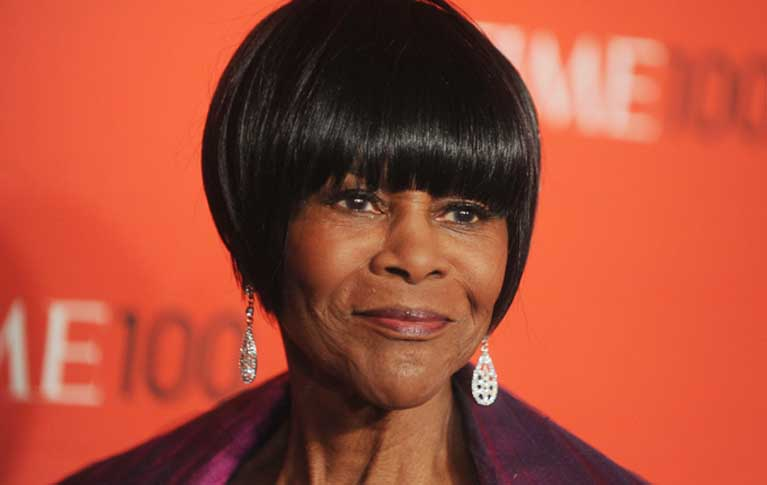
Recognition and fame are not necessarily the same thing. Someone may become widely recognized because of a family connection without becoming a celebrity in their own right. That distinction is particularly important when discussing people whose names appear frequently in searches but whose personal careers or public activities are not extensively documented. Johnston’s story can therefore be viewed through a quieter lens: public recognition may come from circumstances rather than deliberate self-promotion.
Moreover, this distinction challenges the assumption that everyone connected to a famous person wants to participate in public life. Some individuals maintain careers, relationships, and routines far removed from entertainment journalism. Their relative absence from the spotlight can be a conscious choice, or simply the natural result of living outside a publicity-driven profession.
A Broader Reflection on Privacy in the Digital Era
The interest surrounding Cicely Johnston also reflects a larger change in how biographies are created online. In earlier generations, personal histories were often preserved through newspapers, books, archives, and family records. Today, search engines and social platforms can turn even a passing reference into a searchable identity. Consequently, fragments of information may become disproportionately visible.
This creates an interesting cultural tension. Readers want context, while private individuals may value discretion. Good editorial writing should recognize both sides. Rather than filling gaps with speculation, it can acknowledge what is known and explain why the available information matters. In doing so, the story becomes more credible and considerably more respectful.
How Family Connections Influence Public Narratives
Family relationships can profoundly influence the way people are remembered. A person who would otherwise have remained outside public discussion may become part of a celebrity biography because of a particular relationship or period in their life. That does not necessarily diminish their individuality, but it does shape the narrative that audiences encounter.
For Johnston, this broader context is especially relevant. Public interest may begin with another person’s fame, yet the curiosity eventually becomes focused on her own name. That transition demonstrates how celebrity narratives expand outward. One person’s public career can create a network of associated names, each carrying a different relationship to the original story.
Reading the Story With Greater Perspective
A thoughtful article about a relatively private individual should resist the temptation to manufacture drama. Instead, the absence of dramatic public details can become part of the analysis. It reminds readers that not every meaningful life is documented extensively, and not every interesting person has sought an audience.
At the same time, Johnston’s name demonstrates why context matters in online publishing. Readers benefit from clear distinctions between documented facts, reasonable cultural interpretation, and unsupported speculation. This approach is particularly important when information about a person is scattered across secondary sources or presented primarily through their connection to someone more famous.
Why Cicely Johnston Continues to Attract Attention
Names associated with recognizable public figures often remain searchable for years because interest in celebrity histories rarely disappears completely. New generations discover old stories, while changing media platforms repeatedly introduce familiar names to new audiences. As a result, individuals connected to those stories can experience a form of indirect, long-lasting recognition.
Cicely Johnston is therefore interesting not simply because of a name, but because her public visibility raises broader questions about fame, family, privacy, and the way biographies are constructed online. Her story encourages readers to look beyond the most obvious headline and consider the human beings who exist around the edges of celebrity culture.
Conclusion: Seeing the Human Being Beyond the Headline
Ultimately, Cicely Johnston represents a type of public figure who occupies an unusual space between privacy and recognition. Her name may attract searches because of its broader associations, yet the available public picture should not be expanded with assumptions simply to create a more dramatic narrative. Instead, her story is best understood within the larger cultural landscape of celebrity families and digital curiosity.
That perspective offers a useful lesson. Fame may make a person’s surroundings visible, but visibility does not erase individuality or privacy. In Johnston’s case, the most compelling story may be precisely the distinction between being connected to public attention and choosing, or simply living, outside its center.