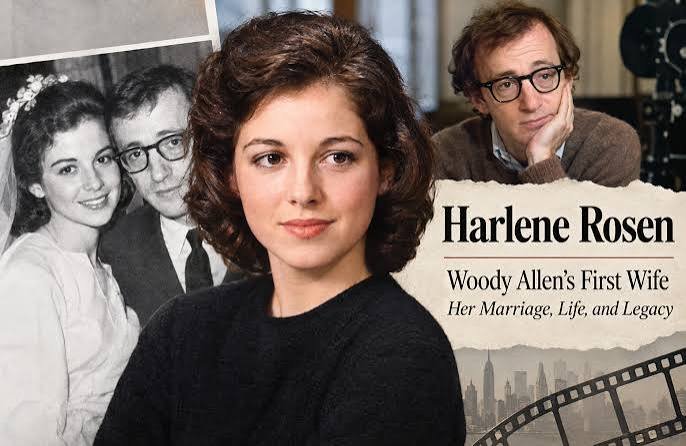
Harlene Rosen: The Historical Connection Behind the Curiosity
Harlene Rosen remains an intriguing name for readers exploring the personal histories of prominent entertainers. Although she is primarily recognized through her former marriage to Woody Allen, her place in his early life offers a window into a period that preceded his international success. Unlike many people associated with Hollywood celebrities, Rosen has maintained a relatively low public profile. Consequently, her story raises important questions about how personal relationships are remembered, why certain names remain relevant for decades, and what responsible biography can reveal when historical information is limited.
New York in the 1950s: The World Before Stardom
To understand the circumstances surrounding Rosen’s marriage, it helps to consider the cultural environment of 1950s New York. The city offered opportunities for aspiring comedians, writers, musicians, and performers, while television and live entertainment were creating new routes to professional recognition. Woody Allen was developing his skills in comedy during this period, gradually establishing himself as a writer and performer. In 1956, he married Rosen. Their relationship therefore began during a formative stage of his professional journey, before filmmaking became the defining feature of his public identity.
A Young Marriage During a Changing Cultural Period
The middle of the twentieth century was a period of changing expectations around marriage, careers, and personal independence. However, broad social trends cannot explain the private experiences of any particular couple. Rosen and Allen’s marriage eventually ended, and the relationship later became a subject of biographical interest because of Allen’s growing fame. Nevertheless, the details available to the public offer only a partial view of their shared history. Understanding this distinction is essential because a marriage involves two individuals, even when public attention focuses predominantly on one person’s later achievements.
The Individuals Behind the Biographical Record
| Individual | Background |
|---|---|
| Harlene Rosen | Known publicly for her early marriage to Woody Allen; details of her independent life remain limited. |
| Woody Allen | American filmmaker, comedian, actor, and screenwriter whose career spans several decades. |
The contrast between these public profiles explains why readers often find substantially more information about Allen than about Rosen. His films, professional collaborations, interviews, and public appearances have generated extensive documentation. Rosen, by comparison, has not maintained a similarly prominent public presence. Therefore, an accurate account should distinguish established biographical information from details that circulate online without clear evidence.
How a Relationship Became Part of a Public Narrative
After their marriage ended, Allen reportedly referred to Rosen in jokes and public performances. These references became part of the discussion surrounding their relationship, and biographical accounts have described a related defamation dispute. The episode illustrates the complicated relationship between personal experience and public entertainment. While comedians often transform events from their lives into material for an audience, those experiences may involve other people who never chose to become public figures. As a result, the story invites reflection on the boundaries between creative expression, personal reputation, and the right to privacy.
The Difference Between Historical Facts and Online Speculation
Searching for Rosen can produce questions about her occupation, family, financial circumstances, and later relationships. Unfortunately, widely available reliable sources do not provide a comprehensive account of these subjects. Consequently, it would be misleading to present unverified claims as established biographical facts. This is especially important in online publishing, where repeated statements can appear authoritative even when they originate from uncertain sources. Rather than filling gaps with assumptions, responsible writing acknowledges what is documented and clearly identifies what remains unknown.
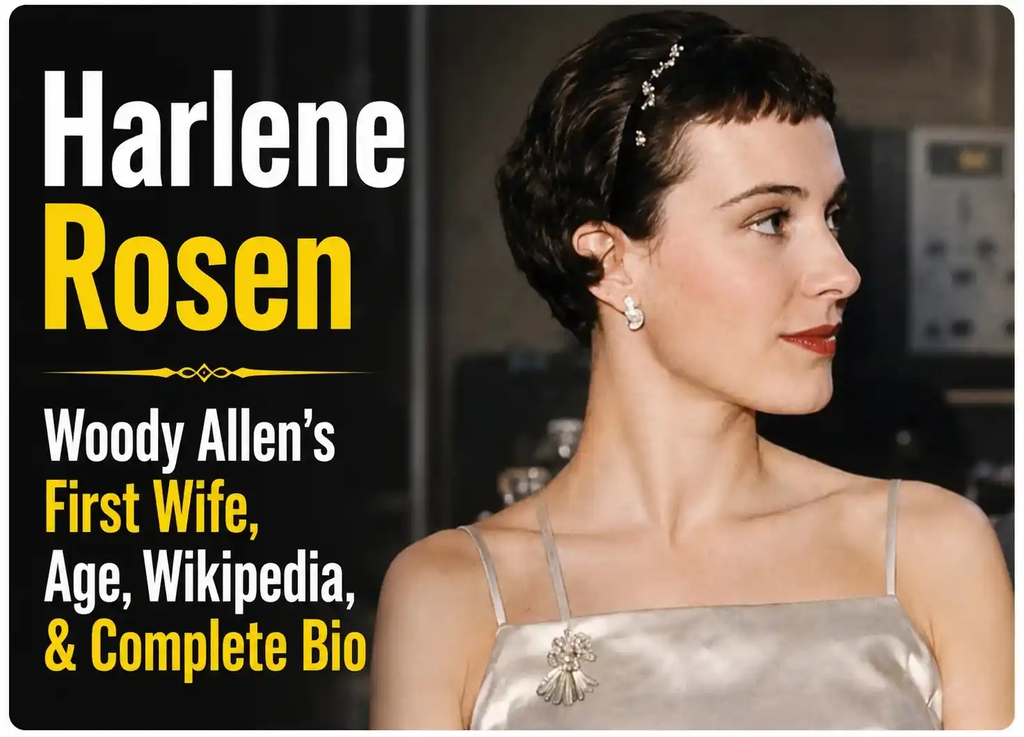
Why Lesser-Known Figures Deserve More Careful Representation
People connected to celebrities are often described through their relationships rather than their individual lives. This pattern can make a person appear to exist only as a chapter in somebody else’s story. Rosen’s public profile demonstrates how this happens: the available narrative concentrates on her marriage, while her broader experiences receive considerably less attention. However, limited public information should not be confused with a lack of individuality. A thoughtful biography recognizes that a person has a life beyond the details that journalists, entertainment historians, or audiences happen to preserve.
Celebrity Culture and the Long Life of Personal History
The internet has changed how audiences discover historical figures. A name mentioned briefly in an old biography can become the subject of renewed searches as readers explore the relationships behind familiar celebrities. Moreover, search engines allow personal histories to remain accessible long after the events themselves have faded from public discussion. Yet accessibility does not guarantee completeness. Rosen’s continued visibility illustrates this distinction: people can remain subjects of considerable curiosity even when dependable information about their lives is scarce. This makes careful context more valuable than sensational claims.
What Her Story Reveals About Public Memory
Public memory tends to preserve events that can be connected to familiar names, major achievements, or controversial episodes. As Allen’s career developed, his early relationships became part of the background against which audiences interpreted his personal history. Rosen’s place in that narrative is therefore closely linked to the enduring interest in his life. Nevertheless, historical relevance does not mean that the available record tells the whole story. By recognizing this limitation, readers can appreciate the significance of the documented relationship without assuming that it defines every aspect of her identity.
Frequently Asked Questions About Harlene Rosen
When did Harlene Rosen marry Woody Allen?
Harlene Rosen and Woody Allen married in 1956, when Allen was still developing his career in comedy and entertainment.
Why is information about her limited?
Rosen has maintained a comparatively private public profile. Most readily available references concern her former marriage rather than her later personal or professional experiences.
Is her life documented in biographies?
She appears in accounts of Woody Allen’s early personal history, but these sources do not provide a complete biography of her independent life.
What can readers learn from her story?
Her story illustrates how celebrity histories can overshadow the experiences of people connected to famous individuals. It also demonstrates why historical accuracy requires distinguishing evidence from speculation.
Conclusion: Recognizing the Limits of a Famous Connection
Harlene Rosen’s place in entertainment history is closely associated with her marriage to Woody Allen during the early years of his career. Although that connection explains why readers continue to search for her name, it does not provide a complete picture of her life. The limited public record encourages a more careful approach to celebrity biography, one that values accuracy over dramatic invention. Ultimately, her story offers a broader lesson about historical memory: the people who appear briefly in famous narratives remain individuals in their own right, even when their personal experiences are not fully visible to the public.