Introduction
Sergey Brin and Calvin Butler represent two distinct forms of leadership in the modern economy. Brin helped build Google into one of the world’s most influential technology companies, changing how people search for information and interact with digital services. Butler, meanwhile, has developed his career in the energy industry and serves as the president and chief executive officer of Exelon. Although their professional paths are different, their stories provide an opportunity to examine how technology, infrastructure, and corporate leadership influence contemporary society. Their connection is best understood through their industries rather than an established personal partnership.
Two Leaders With Different Professional Identities
The careers of Sergey Brin and Calvin Butler demonstrate that business influence takes many forms. Brin emerged from an academic and technological environment, where computer science and experimentation helped shape his entrepreneurial journey. Butler developed his expertise within the utility industry, where managing essential services requires operational knowledge, strategic planning, and an understanding of public responsibilities. Both careers reflect the importance of specialized knowledge, although the demands of their industries differ significantly.
| Name | Professional identity | Major area of influence |
|---|---|---|
| Sergey Brin | Google co-founder and technology entrepreneur | Internet search, digital innovation, and AI-related development |
| Calvin Butler | President and CEO of Exelon | Energy utilities, electricity distribution, and infrastructure management |
This comparison explains their individual significance without implying that they have worked together. Their professional experiences instead provide different perspectives on the systems that support modern economic life.
Sergey Brin and the Technology That Changed Information Access
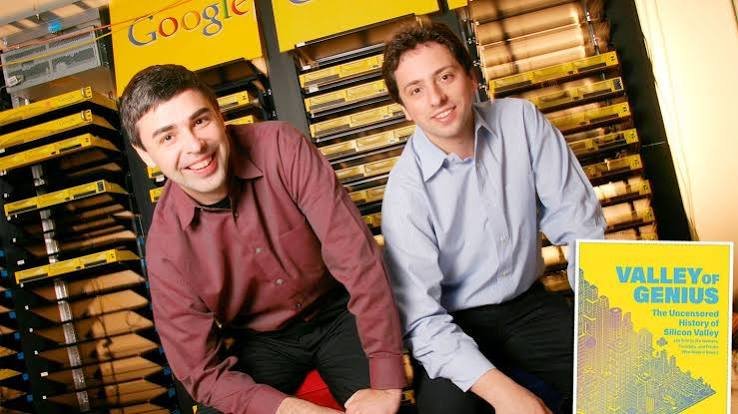
Sergey Brin helped create Google with Larry Page after the pair met at Stanford University. Their research and entrepreneurial efforts contributed to the development of a search engine that made online information easier to discover. As the internet expanded, Google grew into a broader technology business with products and services spanning advertising, mobile devices, cloud computing, and artificial intelligence. Consequently, Brin’s professional legacy became associated with a major transformation in how information is organized and accessed.
However, the significance of digital technology extends beyond convenience. Search engines influence what people find, businesses use online platforms to reach customers, and researchers depend on digital tools to explore complex questions. At the same time, these developments create challenges involving privacy, reliability, and responsible innovation. Brin’s story therefore reflects both the opportunities created by technological entrepreneurship and the wider responsibilities that accompany influential digital platforms.
Calvin Butler and the Infrastructure Behind Everyday Life
Calvin Butler’s career highlights an industry that often receives attention only when service is disrupted or major changes are announced. As Exelon’s president and CEO, he leads a utility organization operating through companies that provide essential energy services to customers in several American jurisdictions. The work of a utility executive involves balancing infrastructure needs, service reliability, customer expectations, and regulatory requirements.
Unlike many digital products, energy networks cannot be maintained through software updates alone. They depend on physical equipment, trained employees, maintenance schedules, and investment over long periods. Furthermore, utility companies must prepare for changing customer demand while keeping essential services dependable. Butler’s professional role illustrates how leadership in the energy sector requires attention to both immediate operational performance and the long-term needs of communities.
The Growing Relationship Between Computing and Electricity
Technology and energy may appear to be separate industries, but their relationship is becoming more important. Digital platforms rely on data centers and communications networks, while artificial intelligence applications can require substantial computing resources. These facilities need electricity and dependable infrastructure to operate effectively. As a result, the expansion of digital services can influence energy planning, investment decisions, and discussions about infrastructure capacity.

This broader relationship offers a meaningful way to consider Sergey Brin and Calvin Butler in the same article. Brin’s industry represents the development of digital technologies, while Butler’s industry provides essential services that help support the wider economy, including computing infrastructure. Nevertheless, this is an industry-level connection, not evidence of a direct collaboration between the two executives. Understanding that distinction allows readers to explore the economic relationship without confusing it with a personal or corporate partnership.
Leadership When the Stakes Are Different
Technology companies and utility providers operate under different pressures. In the technology sector, businesses often seek to develop new products, improve user experiences, and respond to rapidly changing competition. Utility companies must also innovate, but they face substantial responsibilities involving reliability, regulation, infrastructure maintenance, and the delivery of essential services. These differences influence how executives set priorities and measure progress.
Moreover, leadership decisions affect people in different ways. A new digital service may change how users communicate, shop, or obtain information. Decisions within an energy company can influence service quality, infrastructure development, and the ability of communities to meet everyday needs. Both environments therefore require careful planning and accountability. Their comparison demonstrates that successful leadership depends not only on business strategy but also on understanding the practical consequences of organizational decisions.
Public Trust and the Responsibilities of Modern Companies
Public trust has become an important consideration for businesses across many sectors. Technology companies face questions about data protection, AI development, and the reliability of information. Energy companies, meanwhile, must address concerns about service interruptions, affordability, infrastructure resilience, and environmental priorities. Although the details differ, both industries must maintain confidence among customers and the wider public.
For this reason, corporate influence should be assessed through more than financial results or organizational size. Transparency, responsible planning, and the ability to respond to legitimate concerns also matter. Digital innovation can create significant opportunities, but those opportunities are more useful when people can rely on the services involved. Similarly, energy infrastructure serves communities most effectively when dependable operations remain a central priority.
What Their Careers Reveal About the Future
The professional backgrounds of Sergey Brin and Calvin Butler reflect two important elements of economic development. Technology helps organizations communicate, analyze information, and create new services. Energy supports these activities while also sustaining hospitals, schools, manufacturing, transport, and households. As modern economies become increasingly connected, the decisions made in these sectors can influence one another.
Looking ahead, the expansion of AI and cloud computing may increase attention on energy efficiency, electricity demand, and the capacity of existing infrastructure. However, the outcome will depend on technological progress, investment, policy decisions, and the needs of individual communities. Neither industry can address every challenge independently. Instead, the broader task involves finding ways for innovation and essential services to develop together while balancing economic opportunities with public needs.
Frequently Asked Questions
Are Sergey Brin and Calvin Butler business partners?
There is no widely established public evidence confirming a direct business partnership between them. Brin is known for his role in Google, while Butler is associated with Exelon and the utility industry.
What is Sergey Brin most famous for?
Sergey Brin is best known for co-founding Google with Larry Page. Their work helped transform internet search and contributed to the growth of a major global technology company.
What is Calvin Butler’s role at Exelon?
Calvin Butler serves as Exelon’s president and chief executive officer. His leadership responsibilities involve the utility sector and the delivery of essential energy services.
Why are their industries relevant to one another?
Digital services depend on electricity and reliable physical infrastructure. Meanwhile, energy companies can use digital technology to support operations, monitor networks, and improve customer service.
Conclusion
Sergey Brin and Calvin Butler have pursued different professional paths, yet their careers help explain important aspects of the modern economy. Brin’s work reflects the influence of digital innovation, while Butler’s leadership highlights the infrastructure needed to support daily life and economic activity. Their professional backgrounds do not establish a direct partnership, but the sectors they represent are increasingly interdependent.
Ultimately, progress requires both new ideas and dependable systems. Technology can change how people work, learn, and communicate, while energy infrastructure makes much of that activity possible. By considering these industries together, readers gain a broader understanding of modern leadership—one that recognizes the importance of innovation, practical responsibility, and the systems that quietly sustain everyday life.